
Best natural energy gel: an honest guide from a cycling chef
You go looking for the best natural energy gel and find the usual story: every brand says it's natural, every brand promises steady energy and every brand has a ratio chart. As a chef who spent years in fine dining and a cyclist who gets through gels every week, here's how to separate the genuinely natural from the marketing, using checks you can do on any label.
What makes a gel natural (for real)
The word natural isn't regulated, so the label is the only thing that doesn't lie. Three quick checks:
1. The carbohydrate source. Most gels use maltodextrin or glucose syrups: lab-made carbohydrate, cheap and effective, but with a high osmolality that, for a lot of people, ends in a shut-down stomach from hour three onwards. A natural gel gets its sugar from fruit and real sources, with a glucose:fructose ratio close to 2:1, which is what the science recommends for absorbing more than 60 g per hour.
2. The ingredient list. If you need a dictionary to read it, you already have your answer. Fruit, water, natural sugars, salt, lemon. Five or six ingredients you'd recognise from a kitchen. No artificial flavourings, no preservatives, no chemical thickeners.
3. Texture and flavour. It sounds secondary, but it's what matters most in a race: the best gel in the world is useless if, at km 120, just the thought of opening it makes you gag. A gel that tastes like food still goes down five hours into the effort. One that tastes like syrup doesn't.
Natural gel vs conventional gel: the honest comparison
Conventional maltodextrin gels aren't bad products. They're effective, stable and consistent, which is why half the peloton uses them. Their weak spots are the experience (artificial flavours, plasticky texture) and digestion on long efforts. Natural gels match them on the functional side (40-46 g of carbohydrates per gel, a ratio close to 2:1, sodium) and win where the others fall short: they go down more easily, they taste like what they say they are and your stomach tolerates them hour after hour.
The right question isn't which one performs better. With the same grams of carbohydrate, they perform the same. The question is which one you'll still be able to eat in hour five.
What to look for in your sport
Road cycling and gran fondo: prioritise carbohydrates per gel (40+ g saves you carrying twice as many sachets) and digestion. We have a full plan in what to eat on a gran fondo.
Trail and ultra: here, digestive tolerance is everything. The jolting and the heat punish your stomach; fresh, citrusy flavours hold up better than sweet ones.
Running and marathon: a small format and a runny texture you can take without stopping to drink half a bottle.
Our take, no hype
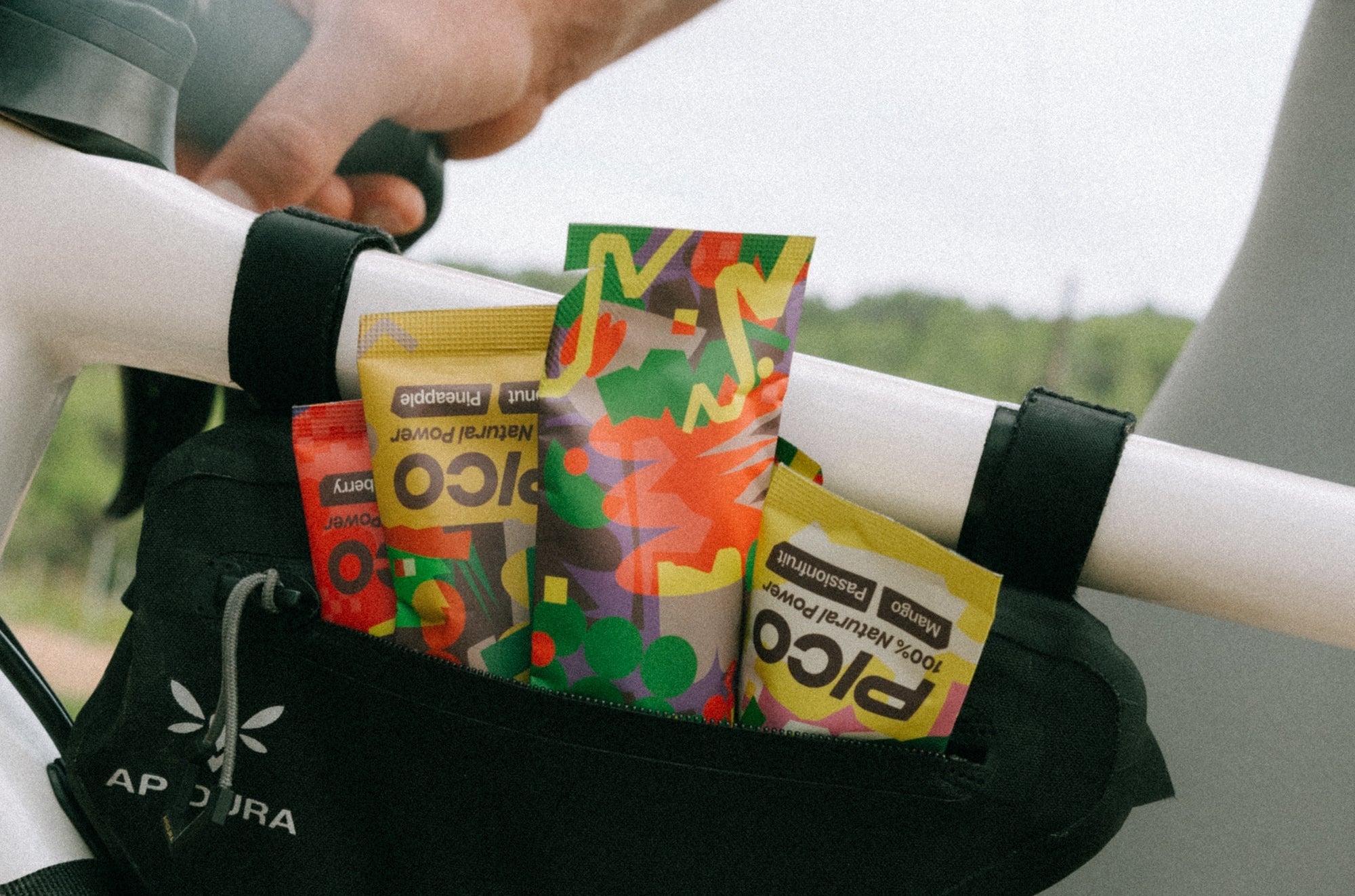
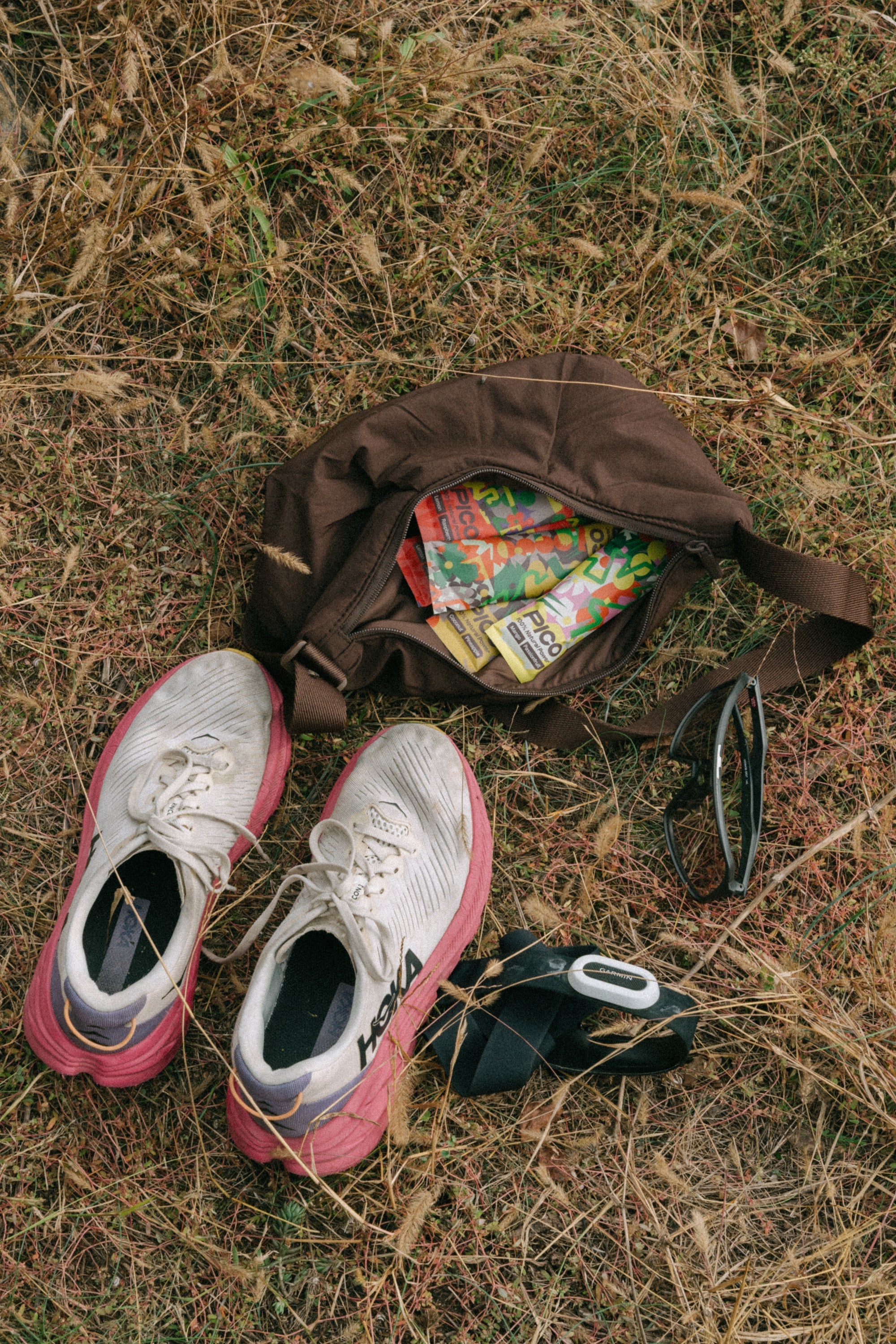
PICO was born from exactly this search: gels handmade in Barcelona with real fruit, 40-46 g of carbohydrates, a ratio close to 2:1 and 300 mg of sodium per gel. No maltodextrin, no additives, vegan and gluten-free. We don't claim they're the best for everyone: we say you can read the whole label without a dictionary, and that the flavour was signed off by a chef, not a lab.
The best way to find out if they're for you costs €10.90: the Tasting Pack with all 4 flavours and free shipping in Spain and Portugal. Try them on a long training ride and decide with your legs, not the advertising.
Enjoy the ride,
Lucca